
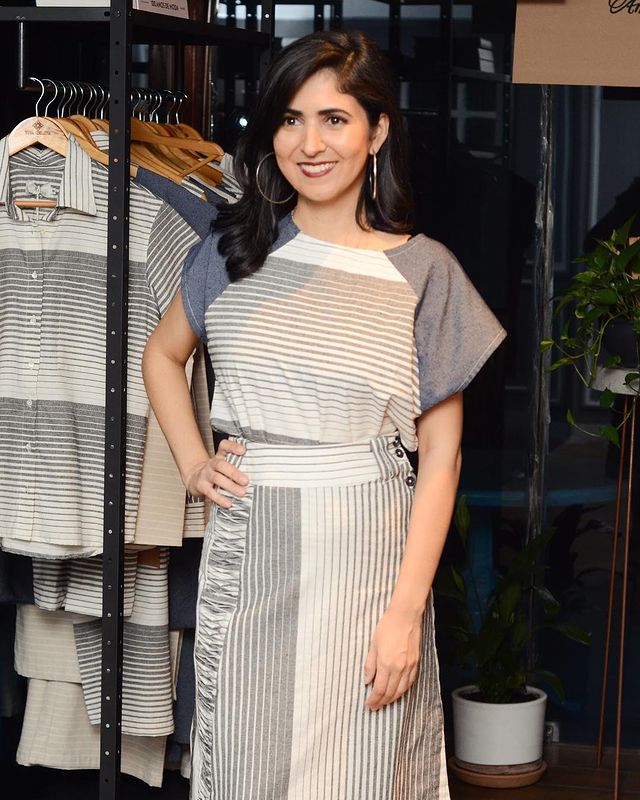
Viva Celina brings together sustainability and genderless fashion in its products.
The regional finalists of the Sebrae Mapping of the Creative Economy of the Northeast, promoted by Sebrae in partnership with Impacta Nordeste and search and selection by Pipe.Social, were announced in November.
The call aimed to promote the region's creative economy and awarded prizes to companies established in four areas: consumption, culture, media and technology. More than 515 companies based on intellectual and cultural capital and creativity that generates economic value were mapped.
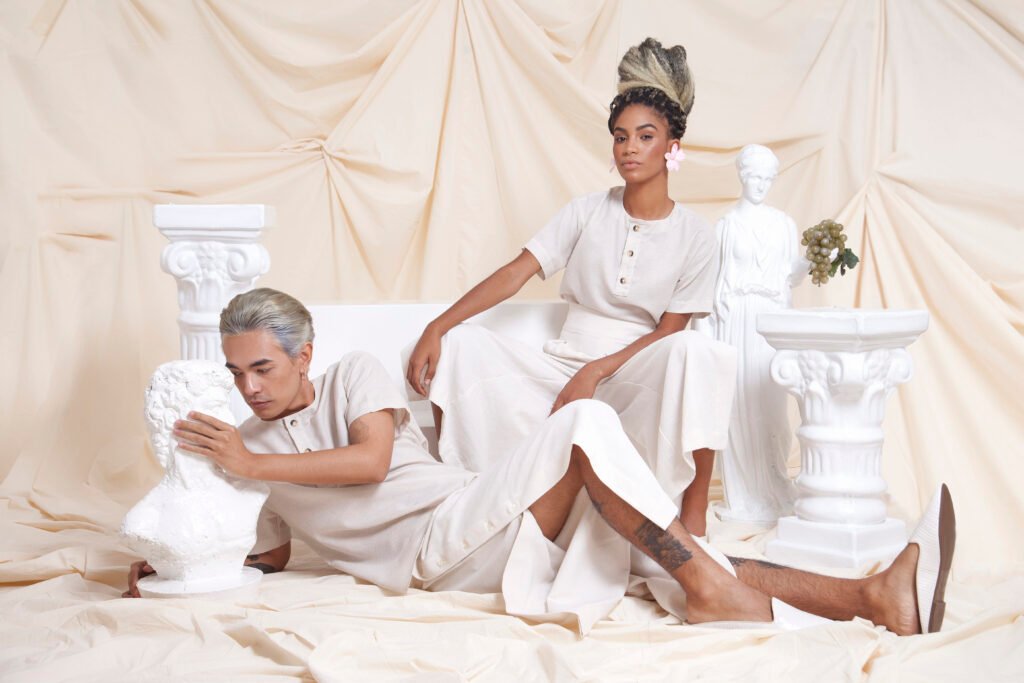
THE Long live Celina, a fashion brand from Paraíba, was the winner in the consumer category. The company encourages sustainability and diversity, creating pieces that bring freedom and do not define gender as male or female, in addition to adopting a more sustainable production process.
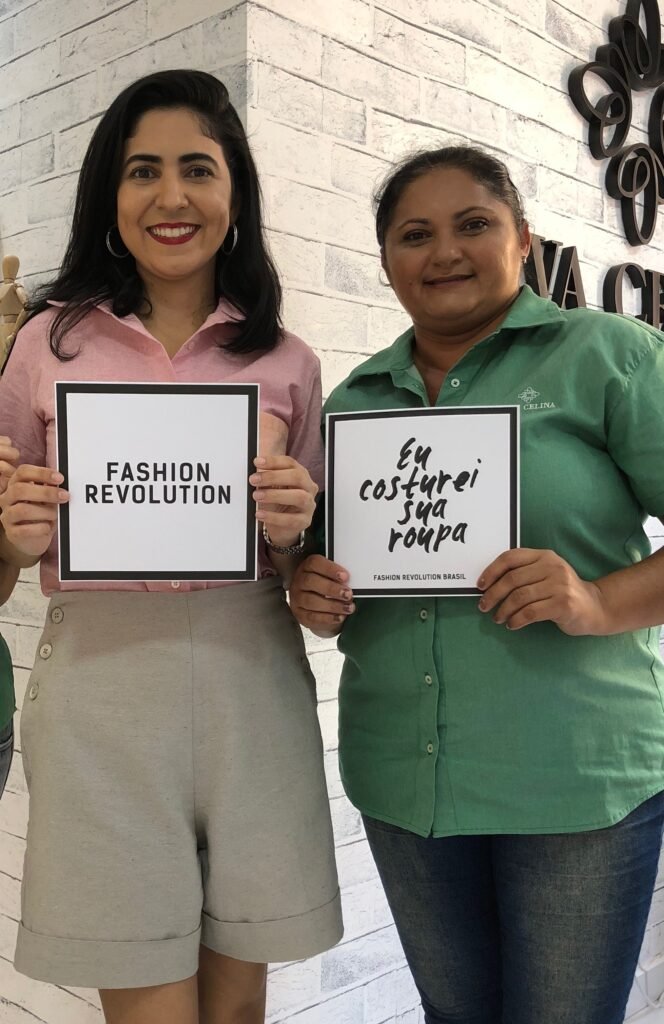
For Maria Celina Pessoa, CEO and creative director of Viva Celina, recognizing and encouraging creativity and entrepreneurship in new companies is very important. “The Creative Economy is a contribution to the development of culture and recognition of our region, serving as a bridge for social and economic development. Bringing together so many areas that can bring back our memories is incredible,” she says.
We spoke with the entrepreneur to learn more about Viva Celina's work, and we talked about the role of fashion in reducing inequalities and how the sector has been transforming itself in search of a more sustainable world. Check it out!
New trends
A strong and growing trend in the fashion market, Slow Fashion (“slow fashion”, in a literal translation) emerged in the 1990s, in Italy, and originates from another movement, the Slow Food, which suggests a more conscious way of eating. Both movements are united around more responsible consumption habits, valuing local producers and producing items with greater quality and durability.
In addition to adopting this new trend, Viva Celina also brings genderless fashion into its concept, also known as genderless, which has been gaining more and more space in wardrobes and presents pieces planned, designed and manufactured with the public's comfort and well-being in mind, respecting the individuality and particularity of each person.
Viva Celina works with timeless and genderless pieces, as we believe that only the consumer's desire and personality should influence their purchasing decisions, and not the pre-defined culture of what men and women should wear. Our brand aims to bring fashion, information and purpose, seeking balance throughout its production chain, from the selection of raw materials to the final sale.
MARIA CELINA PESSOA, CEO AND CREATIVE DIRECTOR OF VIVA CELINA
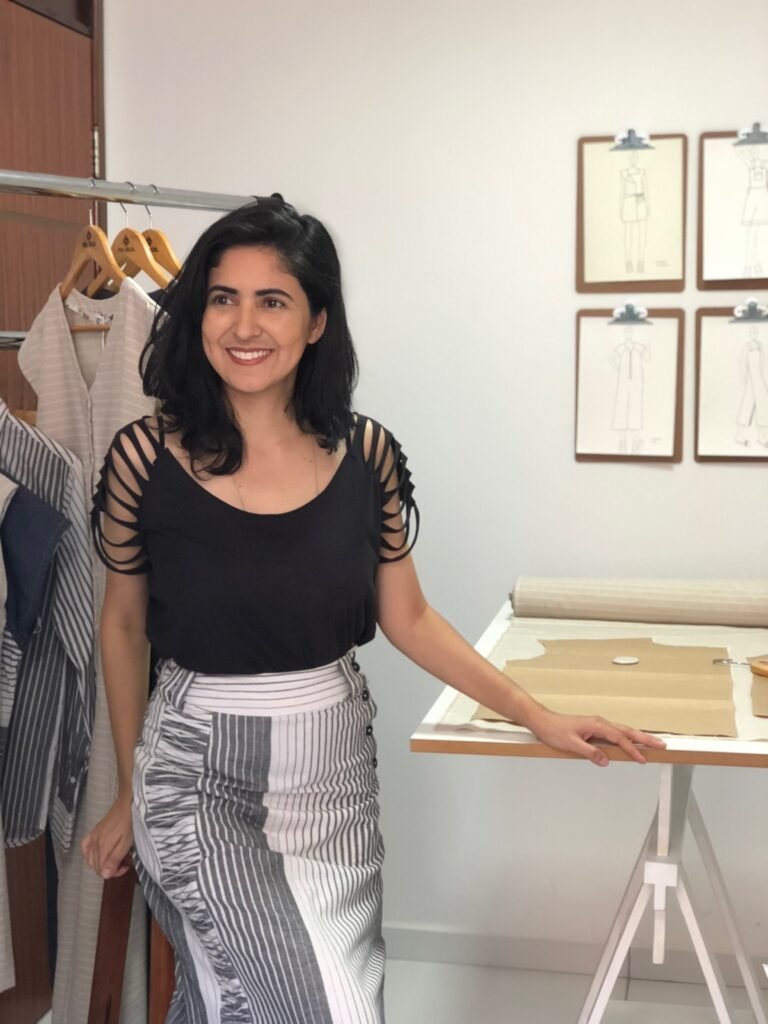
In line with its commitment to sustainability, the company offsets the waste generated by packaging from products sent to customers with the Eu Reciclo certification, a partnership with cooperatives that recycle the equivalent of the number of packages generated by the brand.
With two years on the market, the brand was born from the dreams and concerns of its creator and the idea of seeking a lifestyle focused on balance: nature and urban life, manual and technological, global and local. Where one complements the other.
“Our mission is to encourage our consumers to seek more information about the pillars of conscious consumption and social and sustainable practices. In addition to promoting original fashion through memory, traditions and culture, and thus valuing our product, our audience and everyone involved in the development of our pieces,” he says.
The social role of fashion
For Maria Celina, being sustainable in the fashion world is still a challenge, as it is still difficult to find suppliers of sustainable and quality raw materials. “Our biggest challenge is to achieve the most sustainable production possible. We are always looking for cleaner and fairer production. That is why we choose local and certified suppliers and have all of our production done in our studio.”

She classifies the competition as unfair, mainly because she has to compete with an industry that sells clothes at ridiculous prices, produced in precarious conditions. “One example is the clothes produced in countries like Bangladesh, where there is no type of safety for those who produce these pieces,” she warns.
However, there is a growing number of consumers who are increasingly informed and demanding in their search for the conditions under which the clothes they buy and wear were produced. This trend is confirmed by a survey conducted by Mercado Livre, between June 2019 and May of this year, which shows an increase of 55% in the search for sustainable products. In Brazil, 1.4 million consumers purchased products with a sustainable proposal.
Viva Celina’s CEO is aware of this trend and talks about the importance for consumers of knowing the impacts their consumption generates. “Working with sustainable products is essential nowadays, because our planet has finite resources and the waste generated by industries and the population is immense. It could not be different with fashion, since the clothing industry is one of the most polluting. The industry and designers need to rethink their products and the impacts they generate. It is our obligation”, she reinforces.
Challenges of the present and the future
The biggest challenges the company has faced so far are demonstrating the product's uniqueness, obtaining credit and providing visibility for the business. The possibility of operating and selling throughout Brazil through e-commerce is one of the ways it has found to overcome these difficulties.
As part of her plans to continue improving the company’s presence in this new sustainable consumption trend, Maria Celina says she wants to implement reverse logistics at Viva Celina. “This way, we will dispose of a Viva Celina product that the customer no longer uses and close the product cycle,” she explains.
Source: https://impactanordeste.com.br/viva-celina-reune-sustentabilidade-e-moda-sem-genero-em-seus-produtos/
 English
  Portuguese